
SRA in conversation: Sarah Rapson, CEO’s reflections on her first year at the SRA
SRA in conversation
Sarah Rapson, CEO's reflections on her first year at the SRA
Watch | 22m 41s
Speakers
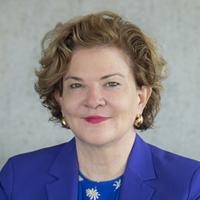
Kate O'Neill (Host)
Executive Director, Communications and External Affairs
Solicitors Regulation Authority
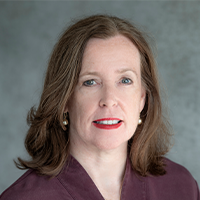
Sarah Rapson
Chief Executive
Solicitors Regulation Authority
Episode description
Sarah Rapson joins Kate O'Neill to reflect on her first year as Chief Executive at the Solicitors Regulation Authority (SRA). Together, they discuss the highlights, challenges and key lessons from the past 12 months, as well as the priorities shaping the organisation’s future.
Chapters
Transcription
-
Kate O'Neill
- Hello there, and welcome to an SRA in Conversation. My name's Kate O'Neill. I'm the Executive Director of Communications and External Affairs at the SRA, and today I'm joined by our CEO, Sarah Rapson, as she shares some of her reflections on her first year as CEO at the SRA. and some general reflections of that time. Welcome, Sarah.
-
Sarah Rapson
- Thanks, Kate. Good to be here.
-
Kate O'Neill
- And so why don't you set us off by kind of with those reflections, I guess, you know, what are the main things you really reflect on when you look back on your first year in this role at the SRA?
-
Sarah Rapson
- Thanks, Kate. I can't quite believe it's been a whole year.
-
Kate O'Neill
- Yeah.
-
Sarah Rapson
- But look, I think it's worth always starting with the first reflection, which is just how important the legal services sector is for the contribution it makes to the UK economy, economic growth, the relevance of Solicitors in important moments in people's lives. So I think that's a really, a really important thing to say up front. And also, you know, from a regulatory perspective, we know that the vast majority of Solicitors are doing a great job, seeking to do a great job. But when you're a regulator, of course, you see the You see the other end of it all, don't you? But it's really important to remember that,
-
Kate O'Neill
- Yeah.
-
Sarah Rapson
- you know, there's a lot of strengths in this profession and in this and in this really important sector. And I think that's why it's really important that this regulator is, you know, operating as a modern, effective, proportionate regulator. And it's fair to say that the reflections over the last 12 months or so is that, you know, we have made progress in in many areas, actually, but there is still there is still more to do.
-
Sarah Rapson
- So, I am really keen that this is an organisation that engages better, that listens and learns, and we can we can certainly talk a bit more about about, you know, my first sort of three to six months or or so when I had been out and about talking with stakeholders. Um, it's also really important, as I reflect, that this regulator reflects the changes in the market. So how do we make sure that we can keep consumers protected and continue to build trust and confidence, not only in this regulator, but but actually more importantly in the profession?
-
Sarah Rapson
- And I'm pleased that we are going to be in a position to launch our three-year strategy, er, next week, and that covers some really important topics, um, along the lines of pr- preventing harm, so moving from being a reactive regulator into being much more proactive, and therefore we're preventing harm to consumers where it is possible to do so. Being a proportionate regulator, accepting that some risk is inevitable in the sector, and that over-regulation comes with its own problems, but it's really important for regulators to all regulators to be proportionate. The importance of the profession, and our expectations of the profession, and frankly the profession's own expectations of us.
-
Kate O'Neill
- Exactly.
-
Sarah Rapson
- And then lastly, in the strategy, um, the organ- organisational change that we'd need to do at pace. You know, we are a an analogue regulator in a digital age, um, so there is work to do at pace to make sure this regulator is the modern, effective, proportionate regulator that this sector and consumers need for it to be. But it won't work, Kate, unless the profession itself is on board.
-
Kate O'Neill
- Yes, of course. And you've talked a lot about being a trusted regulator. I mean, as you say, there'd been some challenges over the last few years, and you've spoken about how you spent a lot of time early on in your first year engaging with stakeholders to start that rebuild in tr- of trust. I mean, how did you find their reactions to what you were saying and what your vision was?
-
Sarah Rapson
- It's fair to say that a lot of people have a lot of views, that they're very keen to share, um, well, about the SRA, and um, really tried not only just to talk to people from the profession, but also consumers and other stakeholders, other regulators, government, etc. Um, I think everybody accepts at the highest level that we've got shared objectives, you know, trust and confidence, etc. Um, but views diverge on the effectiveness of how we have been discharging that those responsibilities, and and also the extent to which we've been prepared to engage.
-
Kate O'Neill
- Yes.
-
Sarah Rapson
- Um, I find simply, sometimes simply turning up and listening, um, makes a real difference. And, er, people go, "Oh, golly, she's human." Er, er, which of course is a surprise, um, or it can be a surprise for people. So it's really important as a regulator you're not in your ivory tower, and you you are seeking to understand as best you possibly can the the challenges of the regulated and, er, those they serve.
-
Kate O'Neill
- And I guess, as you were saying, it's a it's a broad spectrum, the the regulated universe that the SRA is responsible for, because the profession's about lots of different types of, um, solicitors and firms by size, by type.
-
Sarah Rapson
- Yeah, you've got the large City firms, you've got the the sole practitioners, and it's really, it's really important that when we think about our regulation, we don't just do one size fits all, because the business models are fundamentally different, and they're changing, and they're dynamic, and the harm is changing. So this makes it even more important that we listen hard, and I think possibly more important that the risk the risk-based approach we we want to to do more of in in in taking in taking forward our regulation, er, is is the right one.
-
Kate O'Neill
- And we'll come back to risk in a minute. I mean, you did, in your first few months, talk about, um, some priorities, but you also reviewed the structure and governance of the organisation. Why was that important?
-
Sarah Rapson
- It struck me that an organisation of this size and complexity and breadth of remit needed to seriously enhance its senior capacity to cover the ground at the right, at the right level, um, and also to make sure that governance and decision-making, er, was robust. Um, and you you would expect that of an organisation of
-
Kate O'Neill
- Sure.
-
Sarah Rapson
- this size and responsibility. Um, I mean, I was keen to set out some priorities when I first joined around operational excellence,
-
Kate O'Neill
- Yeah.
-
Sarah Rapson
- around risk, around dealing with some of the bigger issues, like high-volume consumer claims and the Post Office, er, frankly, and also engaging. And I think we've made progress on all of those areas, but as I say, Kate, right up front, still much more to do.
-
Kate O'Neill
- Sure. But, you know, PM Law still happened on your watch about three months in. How did that affect your plans and and the vision you had for, as you said, op- things like operational excellence, looking at governance, looking at systems?
-
Sarah Rapson
- Yeah, so PM Law happened, I think, probably on my day 100 in the role, and
-
Kate O'Neill
- Oh, okay.
-
Sarah Rapson
- and, er, yeah, a very, um, you know, very sobering experience. And the impact on consumers and on colleagues, actually, working in the, er, in that in that well, group of the group of firms, with the history that that firm had had, was was very, very sobering. And, um, a couple of things: one is, I was really proud of the response of the organisation. You know, we got, um, the team straight on to what could we do to support consumers. Um, we got the investigation underway of exactly what well, of the fraud, as it transpired, um,
-
Kate O'Neill
- Yeah.
-
Sarah Rapson
- er, got that, you know, underway really, really quickly. And we were really keen to put as much information into the public domain as we possibly could to demonstrate that we were a transparent, er, or- organisation, as much as was was possible. So we updated, you know, on funds out of the compensation fund as we went along so that people could get a sense of the scale
-
Kate O'Neill
- Yeah.
-
Sarah Rapson
- of the of the of the suspected fraud as we went. But look, I think for the organisation's own reflections, the and we we did the Jenner & Block report. We we commissioned that ourselves and put it out into the public domain ourselves, alongside the Barclay report which was the update on the enforcement activity, progress that we'd made under the LSB. Um, yeah, it re- the reflection is that we have got the right changes identified and planned. We had made progress in some areas, but frankly the the change plans needed to be accelerated.
-
Kate O'Neill
- Yeah. And as you say, this the collapse of PM Law was really started by criminal activity, but are you saying that we could have done better to lean into identifying some of the risks that were emerging on the firm?
-
Sarah Rapson
- Absolutely, and we've been very open about that. You know, we had data in the organisation that if we had put together in the right way, in front of decision-makers and given them the whole picture, it's entirely possible that we would have taken action sooner. I mean, we would have never been able to prevent all fraud. No regulator could, no sensible regulator could ever say that, but but it is true that the Jenner & Block report found that we could have acted, and we should have acted sooner.
-
Kate O'Neill
- Ah, absolutely. So from these reviews, Jenner & Block and Barclay, you obviously put that out in the public domain, but you also use those reports to inform some of the changes that you were making and continue to make operationally. Give us a few examples of what those changes are. I mean, our listeners may not, because they are internal changes, may not be as familiar with them as they might be.
-
Sarah Rapson
- Well, given the scale of change that that I think we need to make in the, er, SRA, that the the change is going to take time, but but we don't have all the time in the world because the harm is potentially happening right now, isn't it? So we have concentrated our transformation on both: what do we need to do in the medium and long term, but also what do we need to do in the short term?
-
Sarah Rapson
- And those areas cover things like better risk management and the processes around identifying higher-risk firms, um, more executive oversight. We have a fortnightly meeting now where we go through about 50 firms that we're, um, there are there are indicators that we think give us pause and that we should make sure that we've got the right regulatory, er, response for. The work on the protection of client money is is super important, and making sure we that we've got the right data when we consider complaints.
-
Sarah Rapson
- And also, making sure that we've got the right resources in the key areas. So, for example, one of the Jenner and Plo- er Block findings was that we, um, had backlogs in our forensic investigations team, so we've made sure that we've got enough capacity
-
Kate O'Neill
- Sure.
-
Sarah Rapson
- there, and we're managing the flow of information in and the work done by that that team.
-
Kate O'Neill
- So, Sarah, you've mentioned that better risk management has been part of the change programme and, and really a, a key, fundamental part of the, what we need to do at the SRA. But can it mitigate all harm?
-
Sarah Rapson
- So, Kate, I've worked for a number of regulators now, and, you know, good risk management is, is actually the currency of regulation. It's all about managing risk, isn't it? And I think it's really important that,
-
Kate O'Neill
- Yeah.
-
Sarah Rapson
- you know, no responsible regulator would ever say that they can stop all harm. And, and actually, it would be cost-prohibitive to prevent
-
Kate O'Neill
- Sure.
-
Sarah Rapson
- er, all harm. But, but creating a system in which you can, as far as is possible, seek to mitigate harm is entirely the aim of our transformation programme.
-
Kate O'Neill
- And, and absolutely, that, that point about you can't have zero risk appetite as a regulator, I know other regulators are also addressing this topic as well. So, what other areas within the SRA's work have you made changes to? Because you've got a big change programme, but important BAU work to get underway at the same time.
-
Sarah Rapson
- I think it's worth reflecting on the work that we're doing in our investigations and enforcement area, and also the development of a newer area regarding supervision. So, perhaps a few, a few comments on, on both of those, Kate. I mean,
-
Kate O'Neill
- Sure.
-
Sarah Rapson
- seems to, seems to me that the organisation has been, and is, still to an extent, very enforcement-led, you know, the go-to tool in our regulatory toolkit, if we've got a concern, is to open an investigation and, you know, if there is enough evidence and the test is met, to take enforcement action. And so that is right in a number of areas, no doubt, but actually the there is a question about the proportionality of that.
-
Sarah Rapson
- So our new Executive Director for, er, Litigation, Investigations and Enforcement is leading a programme to look at the end-to-end process and to make sure that the cases that we are bringing towards the Solicitors Disciplinary Tribunal are the right ones.
-
Sarah Rapson
- I remember when I started we were getting adverse costs awarded against us in the tribunal on a regular basis, and I'm pleased to say that we haven't had an adverse cost against us for for some months now. So there is a lot of work underway to reform the end-to-end enforcement, er, and sorry, investigation and enforcement, er, programme.
-
Kate O'Neill
- Okay.
-
Sarah Rapson
- In terms of investing in the new capability of supervision, this is deliberate as an alternative to using the more traditional enforcement-type tools, 'cause I'd far rather, if it is possible, to have more of a supervisory dialogue about the issues with an individual or a firm to see whether conduct could be improved, learning can happen, than actually reaching for the more, um, the more the more se- not not serious, but more draconian toolkit, if I can put it like that.
-
Kate O'Neill
- Mm.
-
Sarah Rapson
- So, so we do want to, and we are pi- we do want to set up a supervision, er, function, and we are piloting the approach. It's a a model I'm very familiar with at other regulators, but it's not the model that we have had here. And so we want the organisation to learn, and we want to work with the profession to create a, er, new way of working with them that I think is more proportionate and gives us additional tools for the regulatory toolkit.
-
Kate O'Neill
- And in those, um, engagement and conversations, Sarah, I mean you've mentioned conduct, are you, in those conversations, should firms expect to be talking about other things? I don't know, like, for example, governance or financial stability, growth ambitions?
-
Sarah Rapson
- Yeah, I think we would want to get to, and this is not for every firm. This is firms that we have a particular interest in because there's a particular indicator, for example, that that gives us pause.
-
Sarah Rapson
- Well, I think things like, you know, leadership, governance, tone from the top, culture, er, systems and controls, financial and operational resilience. I mean depending on where we see the potential harm for, er, consumers and for trust and confidence in the profession. And it may well be that the firm is taking on new types of clients for which it doesn't have the expertise, for example.
-
Kate O'Neill
- Sure.
-
Sarah Rapson
- Yeah. Well, at, at pains to say this is intended to be a proportionate and risk-based approach. It's not every firm on all these topics, but that's the kind of conversation I would want to have. And in my experience at other regulators, if you can get this working really well, firms appreciate the insight.
-
Kate O'Neill
- And so, you've said, er, analogue in a digital age. It would seem like, like most professional services, the external environment for legal services sector seems to be going at warp speed into the fibre-optic age. So how can the SRA ever keep abreast of all of these changes wherever they're coming from and make sure this work is fit for purpose from a regulatory perspective, balancing, as you said before, proportionality, burden, supporting growth?
-
Sarah Rapson
- Every regulator is facing the same challenge: how to be proportionate, how to stay up with the market to protect, er, consumers from harm, and so, and it's from the same areas, whether it's technology, er, geopolitical issues, societal issues, changing public expectations, er, different capital and ownership structures. And so, er, you know, all regulators are in the same boat to an extent. So I'm really proud of some of the work that we've done to keep up with the developments in the market. So we are working closely with government on a cross-government AI lab.
-
Kate O'Neill
- Mhm.
-
Sarah Rapson
- We've put out our own guidance around AI. I'm proud of the work that we've done recently in improving the candidate experience for the Solicitors Qualifying Exam and while retaining the integrity and high standards of that important, er, qualification, and also on improving the type and quality of cases that we take to the SDT, as I mentioned before.
-
Kate O'Neill
- Er, absolutely. So, one year under the belt, Sarah. You mentioned next week we'll be consulting on our three-year strategy, and it I it seems to me that hopefully this consultation will get a lot of interest and a lot of responses given the base you've built in the stakeholder universe as being a listening organisation.
-
Kate O'Neill
- But what are you expecting from the next 12 months? I mean, it's not like it's been, um, a quiet first 12 months. Are you expecting things to continue at the pace you've seen?
-
Sarah Rapson
- I'm sure it will, Kate. Um, and it's really important that we crack on with the change that we need to make for lots of, er, reasons we've already talked about. But it is true that some of the change that we need to make is structural and is going to take time, you know? Um, so, so we need to continue to operate at on both those levels, both the short term and the medium and long term. So, the consultation on the three-year strategy next week is really important because there are some quite important trade-offs in there and new capabilities that we want to set out,
-
Kate O'Neill
- Yeah.
-
Sarah Rapson
- er, to to build, most notably the the supervision division, but also the importance of shifting from being a quasi-ombudsman and dealing with individual reports as individual complaints, and treating that more as intelligence, so that we can tackle the more systemic harm that affect more, er, more consumers.
-
Sarah Rapson
- So I think that's going to be the continued ambition for, er, next 12 months. But as, as I've learnt over the last 12 months, that there will be some surprises along the way, no doubt, and things we haven't
-
Kate O'Neill
- Of course.
-
Sarah Rapson
- quite expected, which we will, er, I think Harold Wilson used to say, "Events, dear boy," didn't he?
-
Kate O'Neill
- Yeah, well, I think that's right. And I guess it's important to remind our listeners, it isn't - that we're part of - to remind our listeners that we are part of the legal services regulatory system. We aren't it. And so, do you see the relationships with the other parts of the legal services regulatory system, um, developing and being key to supporting the ambitions for the strategy, but also our BAU?
-
Sarah Rapson
- Yeah, I do. I think continued engagement with stakeholders is super important. And while we'll have different roles in the legal services sector, at the highest level we have shared objectives. So we will work constructively with our own oversight regulator, the Legal Services Board. We will work well and, if possible, where possible, seek to co-design with the profession through the Law Society and the other bodies.
-
Sarah Rapson
- Er, we will work collaboratively with the consumer organisations, including the Consumer Panel. We've got great working relationships with other regulators, like the Financial Conduct Authority, um, and of course we'll work with government and others. We can't do this on our own. It's too important a sector to, to get this wrong.
-
Kate O'Neill
- Well, thank you, Sarah, for being so candid and sharing what sounds like a very full year. And, um, I guess the plea to our listeners will be, um, to look at the consultation on the strategy and give us your views and ideas there, so we do have a really rich response that we can build the strategy off.
-
Sarah Rapson
- Absolutely, Kate. Thanks very much.
-
Kate O'Neill
- Well, thank you, Sarah, and, um, look forward to doing more of these in conversation podcasts with you over the next year. Bye for now.